Medical Camps
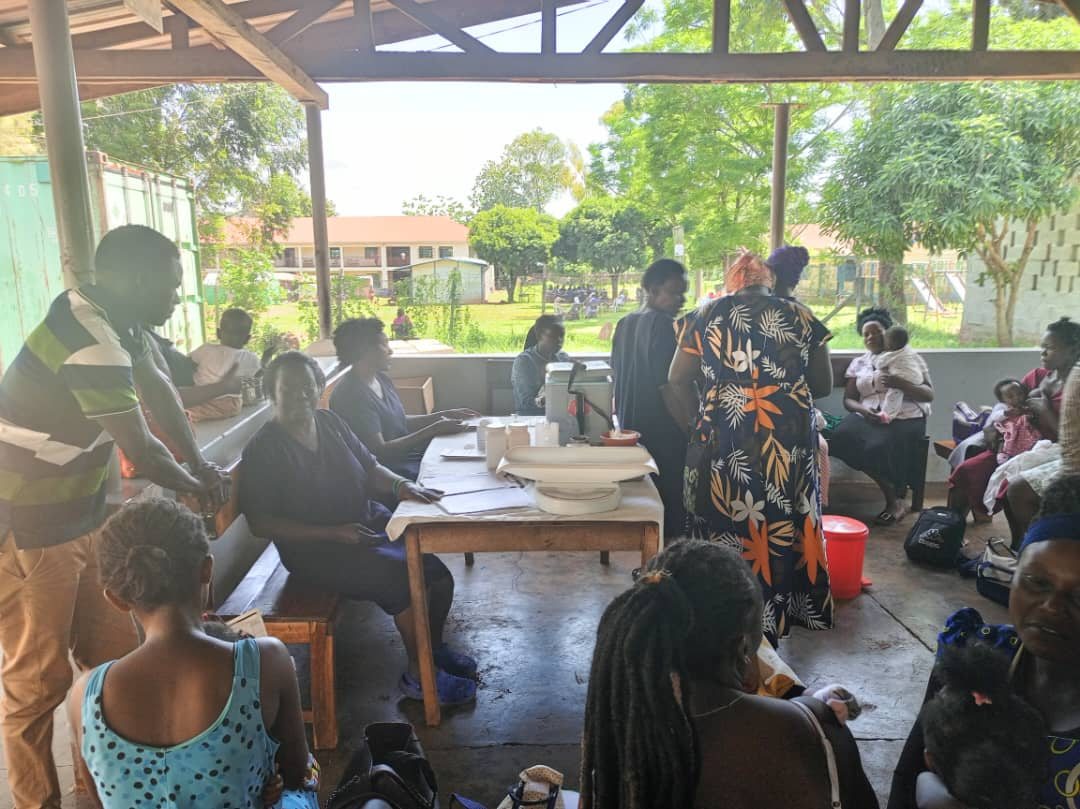
Temporary medical camps bringing essential healthcare to remote Ugandan communities.
- Duration
- 2–4 weeks
- Requirement
- MD/RN
Join medical outreach, public-health work, research, and cross-cultural learning in communities in and around East Africa’s wildlife-protected landscapes.
Programme overview
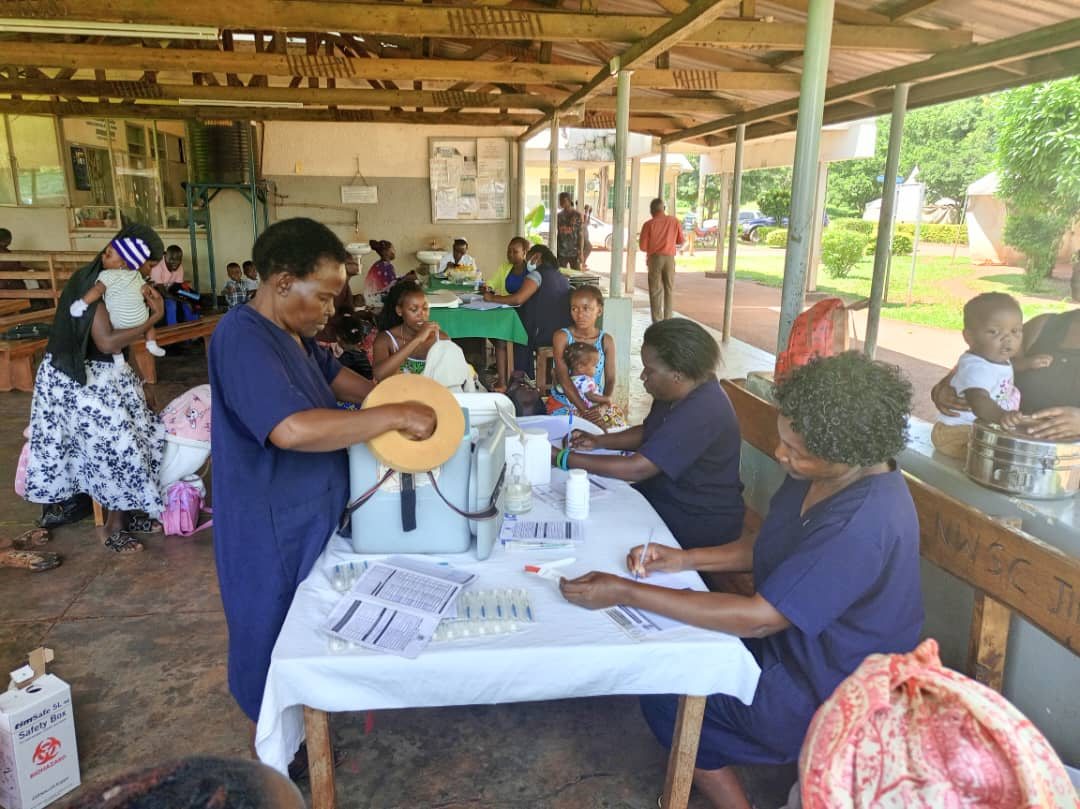
These programmes bring healthcare professionals, students, and public-health experts into diverse and remote settings to provide services, conduct outreach, participate in research, and coordinate with veterinarians.
Community clinics, disease surveillance, health education, and collaboration with local systems create practical experience in global health, tropical medicine, and public-health interventions.
Cross-cultural exchange strengthens healthcare access and local capacity for sustainable long-term outcomes.
Community health clinics and outreach
Public health education and awareness
Zoonotic disease surveillance
Tropical and travel medicine exposure
Environmental health assessments
Vector-borne disease monitoring
Programme formats
Healthcare expertise, experiential learning, traditional knowledge, and One Health collaboration.
Temporary medical camps bringing essential healthcare to remote Ugandan communities.
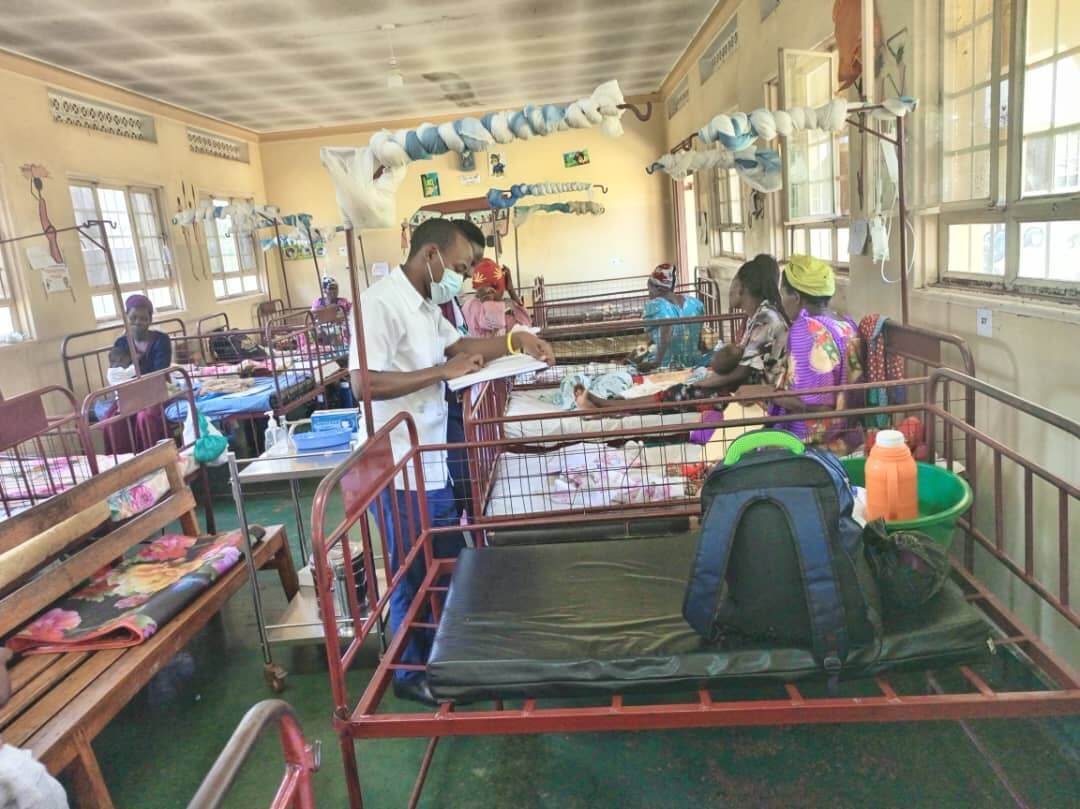
Organised visits to public and private hospitals and laboratories for experiential learning.
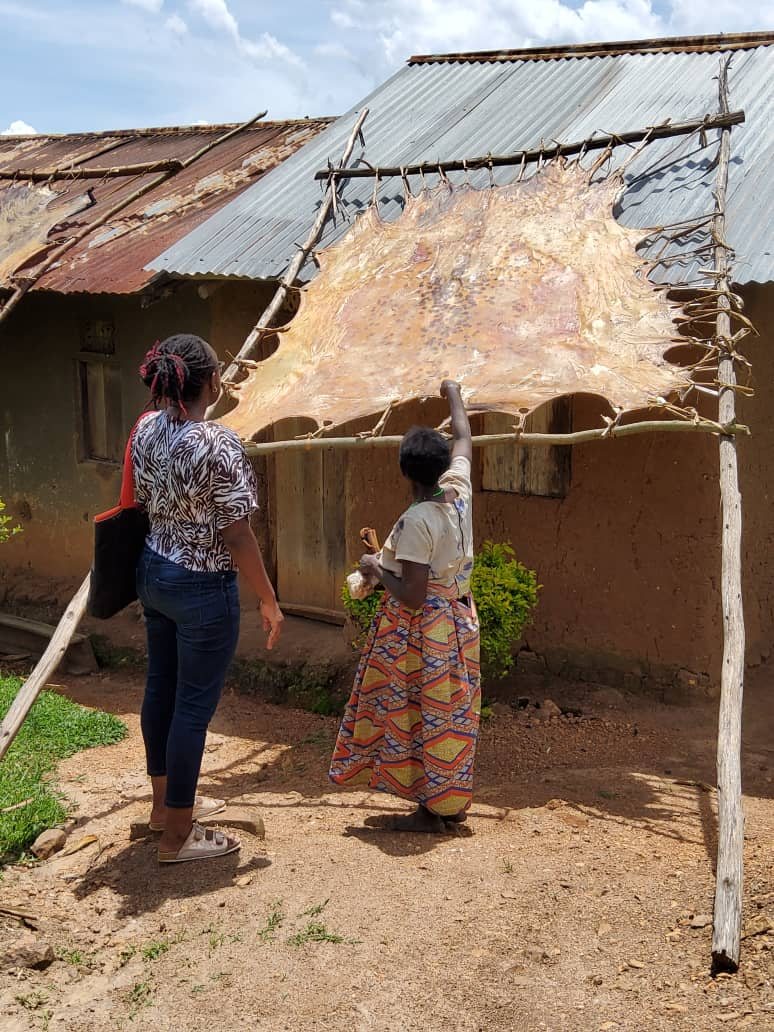
Learn from African medicine practitioners about healing with local herbs and knowledge.
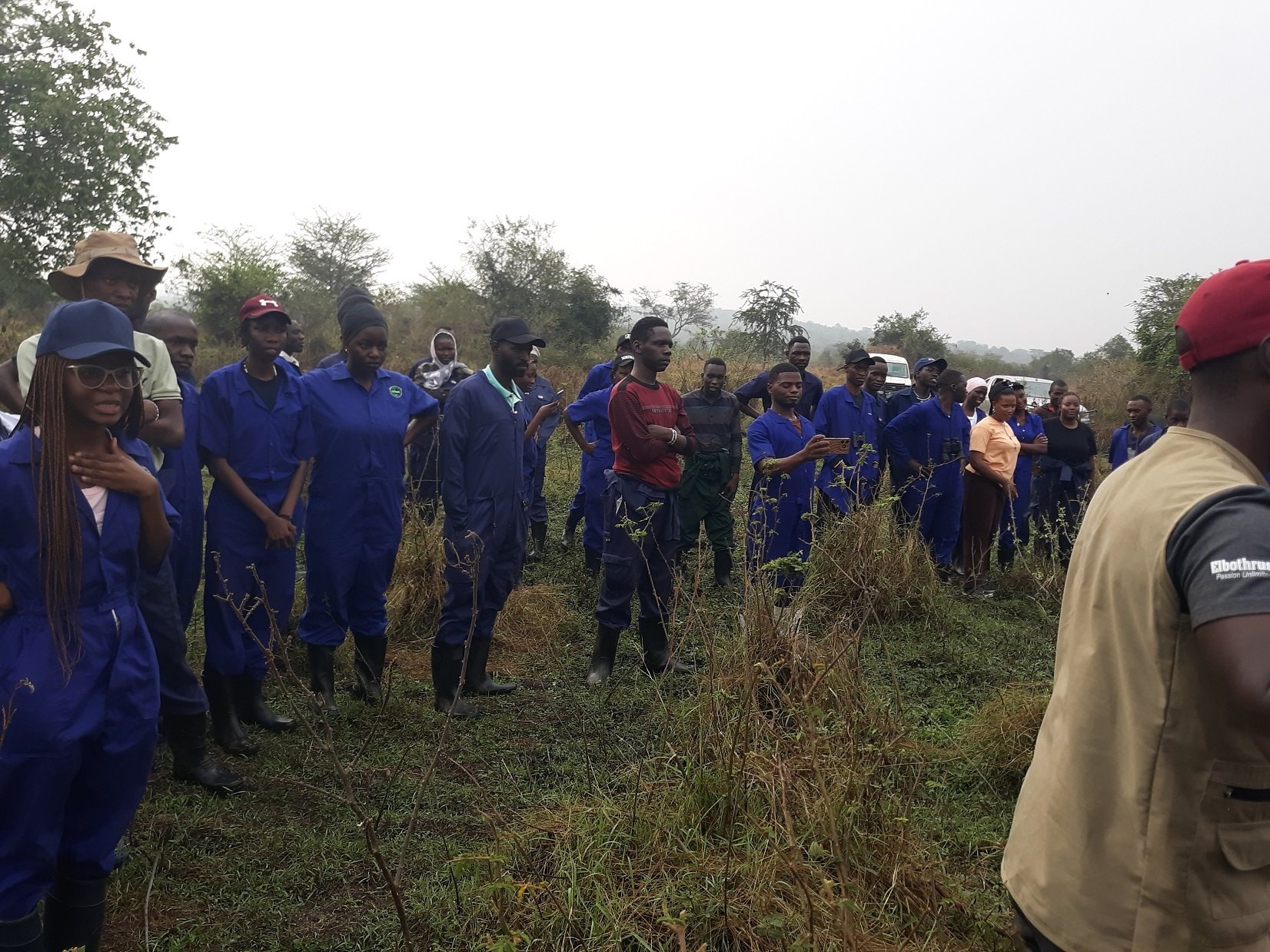
Collaborative programmes addressing animal and human health through a One Health approach.
Field activities
Activities take place in and around wildlife-protected areas across Uganda and East Africa.
Provide consultations, treatment of common illnesses, and referrals around protected areas.
Lead sessions on hygiene, sanitation, nutrition, malaria, and disease prevention.
Work with veterinary and conservation teams to monitor diseases transmitted between animals and people.
Gain exposure to malaria, typhoid, parasitic infections, and common tropical conditions.
Assess water quality, sanitation facilities, and waste-management practices near protected areas.
Conduct blood-pressure checks, malaria testing, and basic diagnostic assessments.
Support research into disease prevalence, health behaviours, and wildlife–human health risks.
Work with clinics and hospitals to understand and strengthen remote healthcare delivery.
Understand cultural practices, traditional beliefs, and health-seeking behaviour.
Study malaria and other insect-transmitted infections common in tropical ecosystems.
Clinical and public-health context
Disease dynamics at the animal–human–environment interface
Community health and disease-prevention initiatives
Field research on distinctive East African health challenges
Capacity building for local healthcare workers
Support for clinics experiencing critical shortages
Respectful study of local knowledge and healing systems
Professional participation
Doctors supporting diagnosis, treatment, and clinical mentoring
Requirements
Commitment: 2–6 weeks
RNs supporting patient care, education, and capacity building
Requirements
Commitment: 2–4 weeks
Emergency responders prepared for field conditions
Requirements
Commitment: 2–3 weeks
Diagnostic support and laboratory training
Requirements
Commitment: 3–5 weeks
Professionals supporting community-health programmes
Requirements
Commitment: 4–8 weeks
Educational rotations and supervised field experience
Requirements
Commitment: 4–12 weeks
Application enquiry
Ready to contribute to East African healthcare? Tell us about your background and availability.
Medical programme coordinator
+256 740 205146
+256 777 370494
Monday–Saturday, 8:00 AM–6:00 PM EAT
Medical programmes email
info@wildmedug.com
Response within 12 hours
Office location
Plot 626, Seguku Katale, P.O. Box 10296, Kampala · By appointment only
Medical professional priority
Healthcare professionals receive priority processing and dedicated support.
Comprehensive support
Pre-departure training, in-country support, and post-mission debrief are included.
Medical supplies initiative
We coordinate collection and distribution of supplies for rural Ugandan clinics and laboratories.
Professional field service
Connect professional practice, local health priorities, cultural exchange, and One Health learning.
Apply for a programmeAll professional pathways